E-commerce with three channels: B2B, B2C and Custom Orders
Mauro Ribeiro Sports
I designed a direct buying route for athletes, keeping dealers’ access to their existing ordering portal.
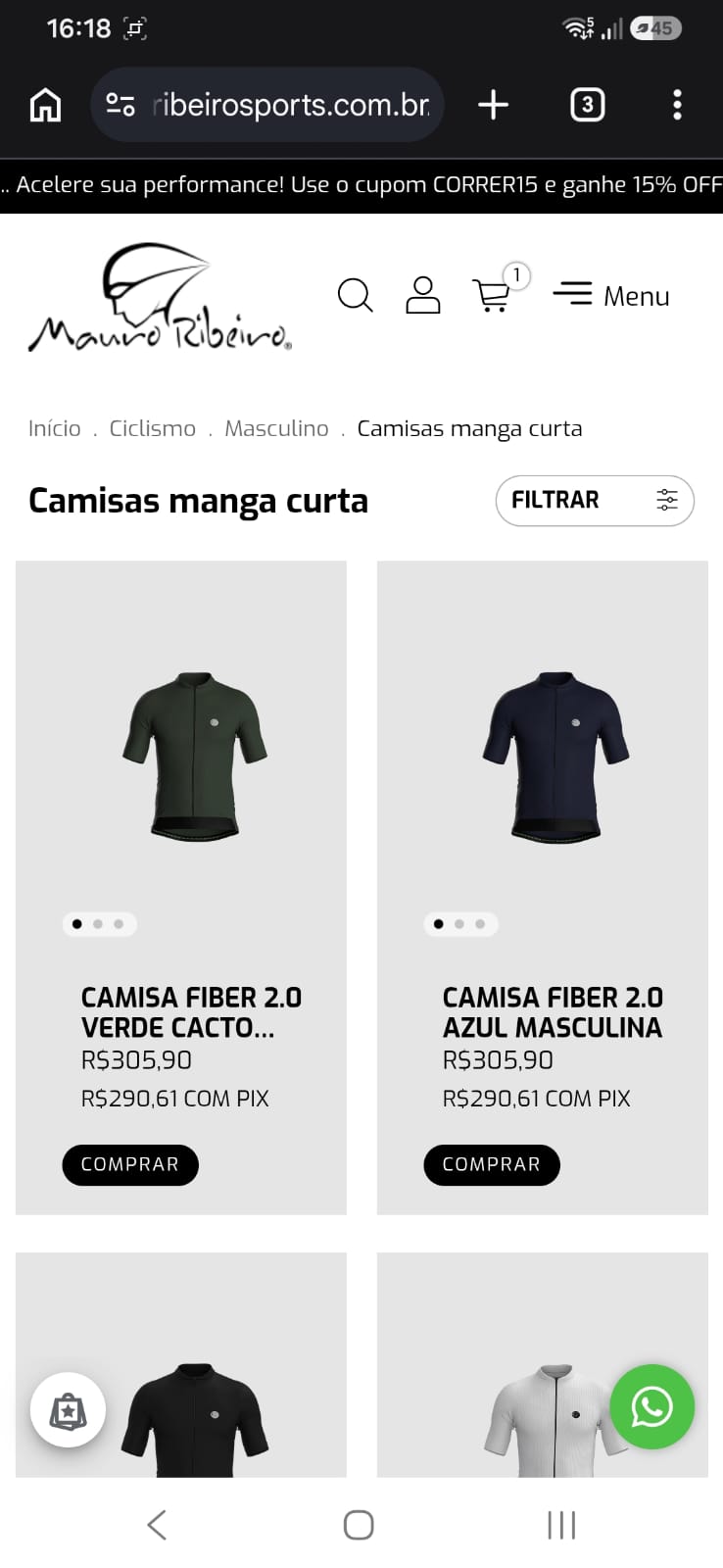
Athlete: from discovery to checkout.
Project screens presented in sequence, not a recording of the prototype.
Sport-based browsing gives athletes an entry point beyond stock categories. Five participants found a product without search; model comparison and fit still raised doubts.
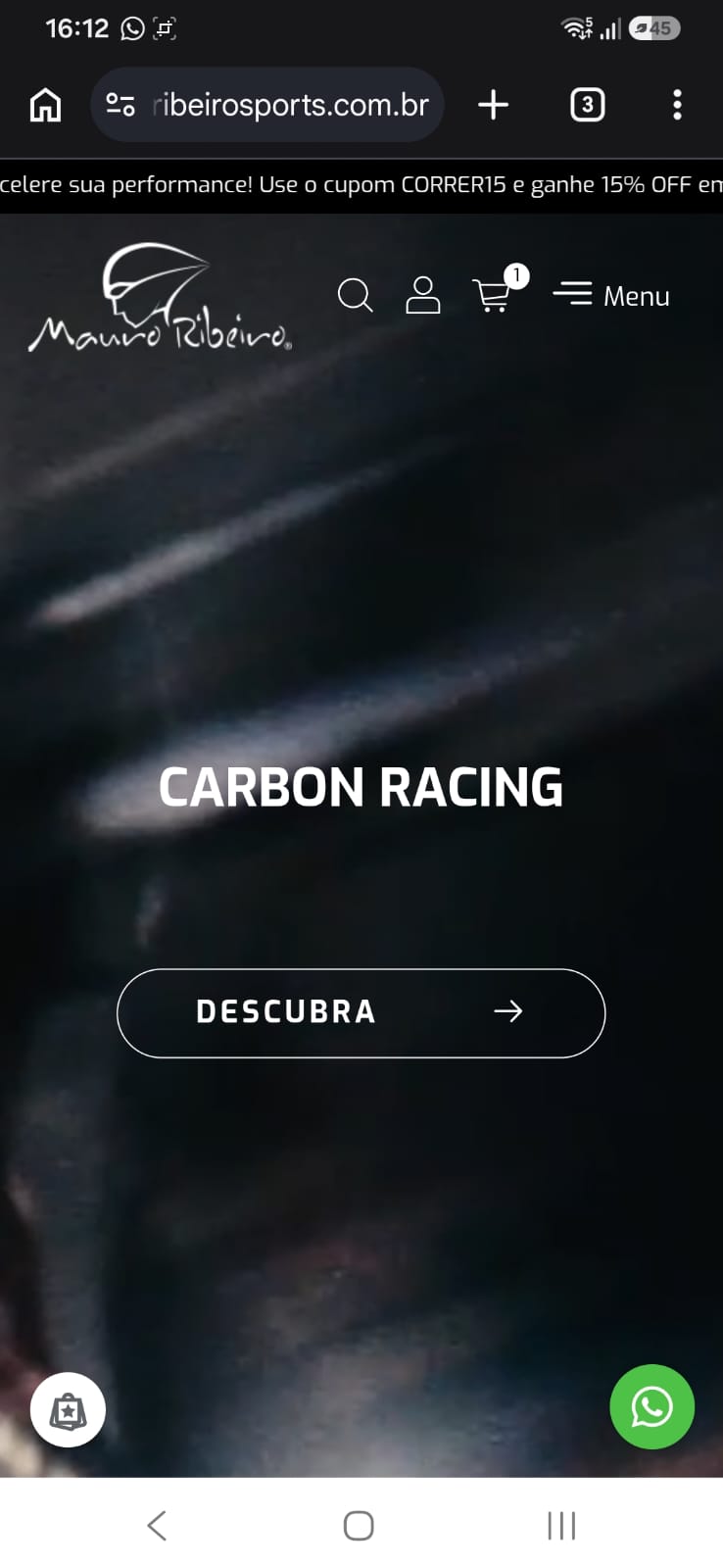 Discover the collection
The case at a glance
- The problem
- Athletes saw new releases online, but their local dealers did not yet have them in stock.
- My role
- Product Coordinator & Design Lead
- The decision
- I organised the catalogue by sport and kept access to the ordering portal dealers already used.
- What I observed
- All five test participants reached a product without search. Comparing models and choosing fit remained points of hesitation.
- Why it matters to the business
- The direct channel lets athletes browse the catalogue while dealers keep their own ordering route. I do not have sales data to assess the commercial result.
- What was not measured
- Launched after my departure. I do not have post-launch conversion or revenue data.
Deliverables and methods
Design and implementation documentation for three sales channels and 39 subcategories.
I used research and usability tests to organise the catalogue and the route from browsing to cart.
Resuming a project stalled for ten months.
I joined a stalled project and helped a Brazilian sportswear brand deliver its direct sales channel. The challenge was to bring athletes closer without disrupting around 350 partner stores.
Read more
The project began in June 2024, stalled for ten months, resumed in April 2025 and was delivered in September. My remit combined information architecture, team alignment and delivery.
Athletes saw the launch but could not find the product.
New releases took weeks to reach retailers. Athletes found the product online, but their local store did not have it. A store locator could not solve a distribution delay.
Read more
The website needed to serve athletes, dealers and custom orders. I had to account for the ordering process dealers already used.
Three channels, one platform
Context map reconstructed from the documented case
Sport → Category → Product → Cart
A direct channel for discovering and buying products, organised around sport and use context.
I kept the ordering flow dealers already knew.
I reconstructed the inherited project, mapped the wholesale ordering flow and analysed the catalogue with the Collection Manager. Reference-brand benchmarking informed the direction.
Read more
Dealers already knew their ordering portal. Replacing it would create resistance across the network. For athletes, sport and use context were more meaningful entry points than stock categories.
I organised 39 subcategories around sport.
I organised 39 subcategories around sport. Instead of splitting the brand into separate sites, I kept retail, wholesale and custom orders on one platform, with different access contexts.
Read more
I chose one website with separate access routes. Athletes could browse before signing in, and dealers could reach their existing portal.
From sketch to screen
Concept sketches and supplied screens · not a live prototype
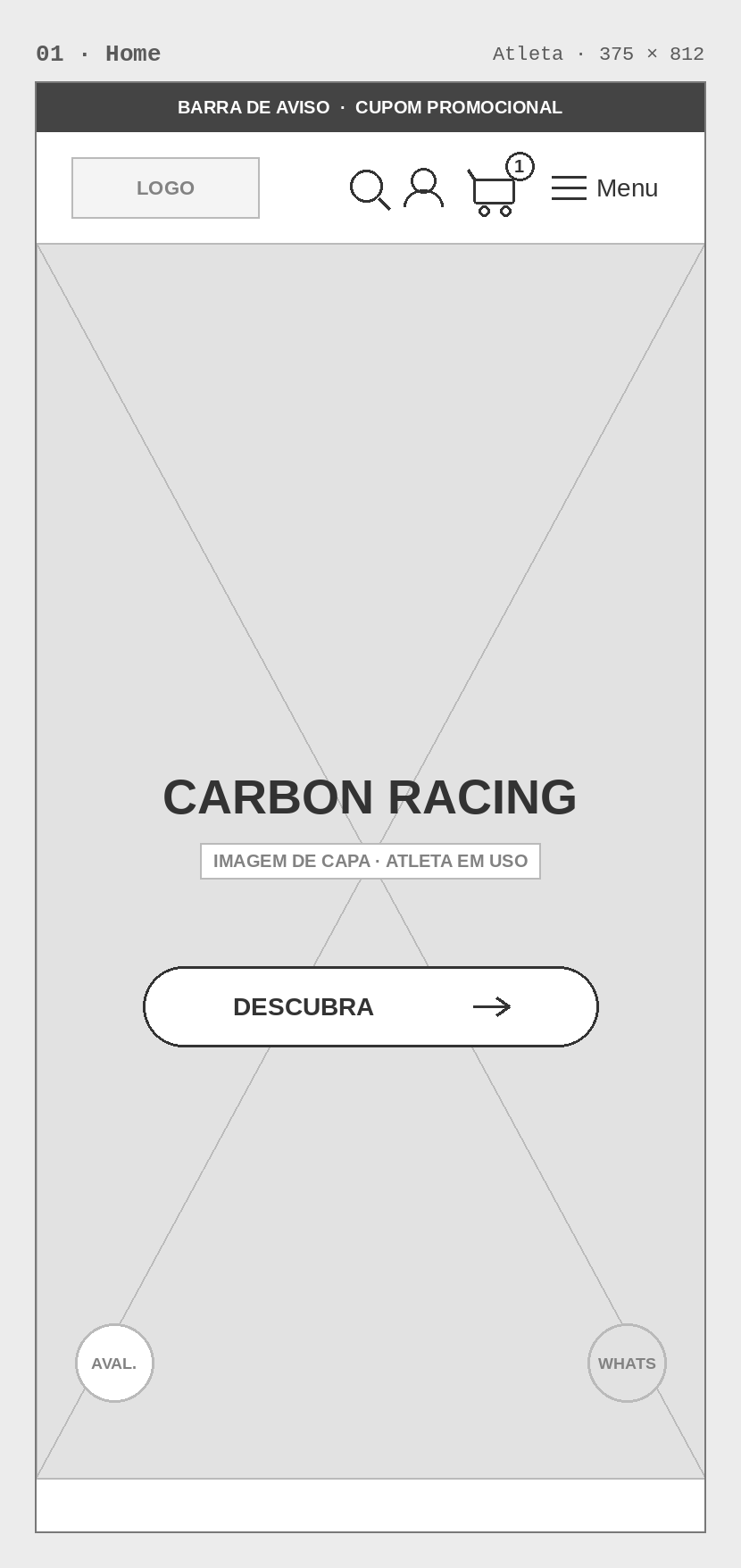
Brand → Athlete / Dealer / Custom orders
One platform with distinct contexts and sport-based navigation.
Explore the design sketches (14)
The test revealed doubts about models and fit.
All five test participants reached a product without search. The main hesitation happened when comparing similar models and choosing the right fit.
Read more
The test supported sport-based navigation, not a claim about conversion. Product differences needed to appear earlier, and a size chart alone did not answer every fit question.
What the test supports
Documented findings → design implications · not a retest
All five participants reached a product without search.
Design implicationRetain sport-based navigation; the test supports discovery, not a conversion claim.
I documented the decisions for implementation.
I documented browsing, product selection and checkout, as well as access to the dealer portal. The agency used the mockups as a reference for implementation.
Read more
These project screens show the route from browsing to cart. They are presented as a sequence, not a recording of the website.
Athlete: from discovery to checkout.
Project screens presented in sequence, not a recording of the prototype.
Sport-based browsing gives athletes an entry point beyond stock categories. Five participants found a product without search; model comparison and fit still raised doubts.
Discover the collectionDealer: partnership and account access.
Project screens presented in sequence, not a recording of the prototype.
I organised the catalogue by sport and kept access to the ordering portal dealers already used.
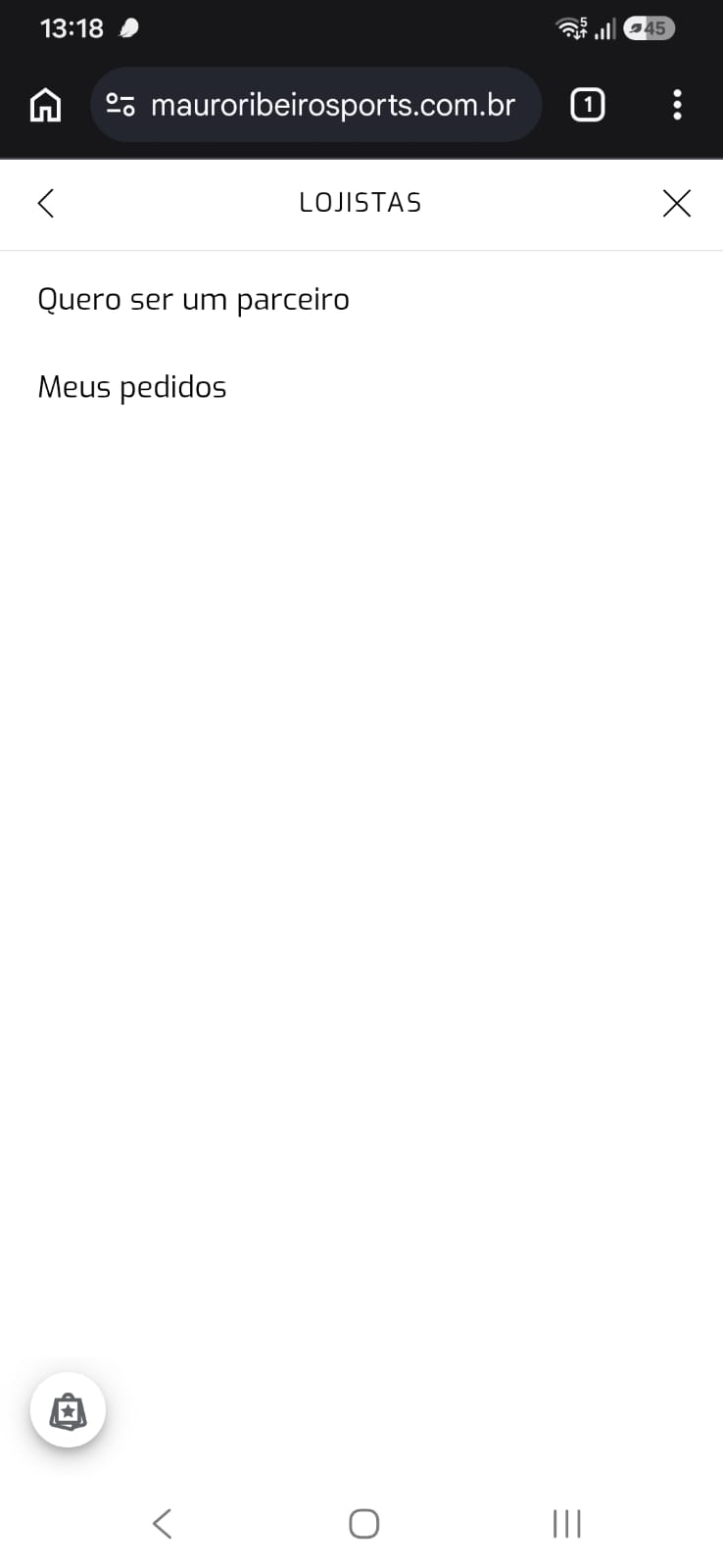 Dealer entry points
View the complete screen gallery
What the test showed and what I could not follow after launch.
I delivered the project in September 2025; it launched after I left. My contribution was the connected channel structure and implementation documentation. Post-launch conversion and revenue data are not available to me.
- Observed in validation
- All five test participants reached a product without search. Comparing models and choosing fit remained points of hesitation.
- What this could mean for the business
- The direct channel lets athletes browse the catalogue while dealers keep their own ordering route. I do not have sales data to assess the commercial result.
- What I would measure next
- I would follow how people find products and complete purchases in each channel. I would also test model comparison and fit again.
Read more
We defined indicators for later monitoring. Before drawing screens, I needed to understand why the project had stalled and which existing processes had to stay.